wifit3: Cross-Platform Wi-Fi Auditing via Direct USB Control

Developer derv82 released wifit3, an open-source wireless auditing tool. It controls USB Wi-Fi chips directly from user space using pure Python, enabling monitor mode and packet injection on Windows, macOS, and Linux without native driver restrictions.
The paper, point by point
Kernel Drivers Block Wi-Fi Auditing
Wireless security testing typically requires monitor mode and raw packet injection. On Windows, native NDIS architecture limits block custom frame injection. On Linux, frequent operating system updates break custom out-of-tree drivers.
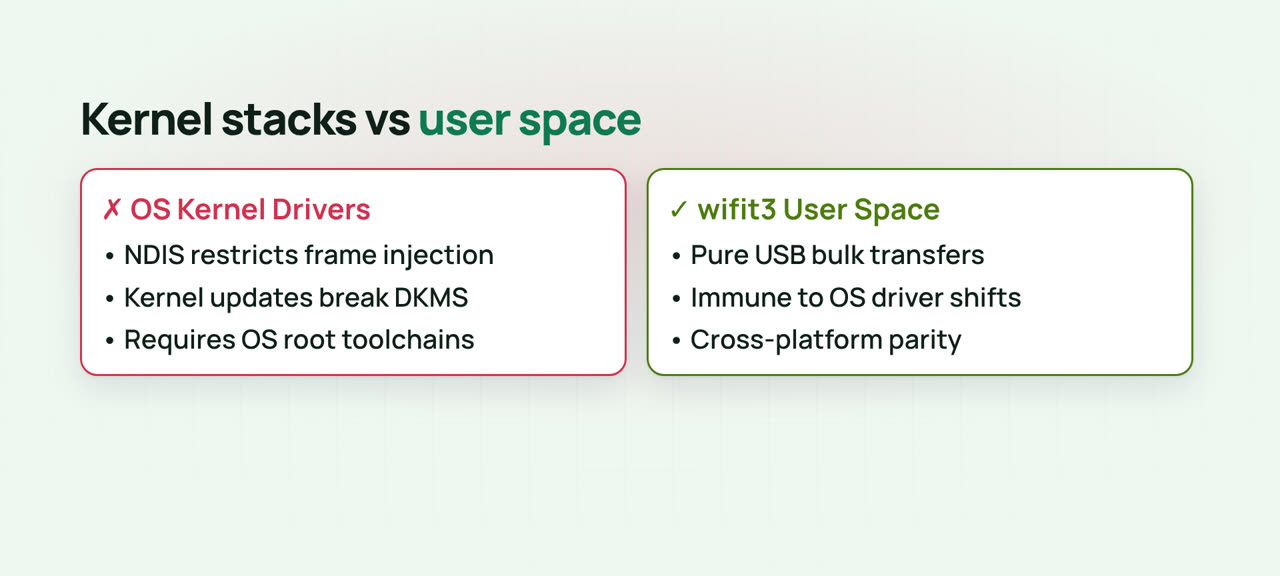
Direct USB Hardware Control
Developer derv82 created wifit3 to solve this problem. The tool bypasses native operating system network stacks entirely. It talks straight to USB wireless chips using raw control transfers in Python and loads vendor firmware in user space.
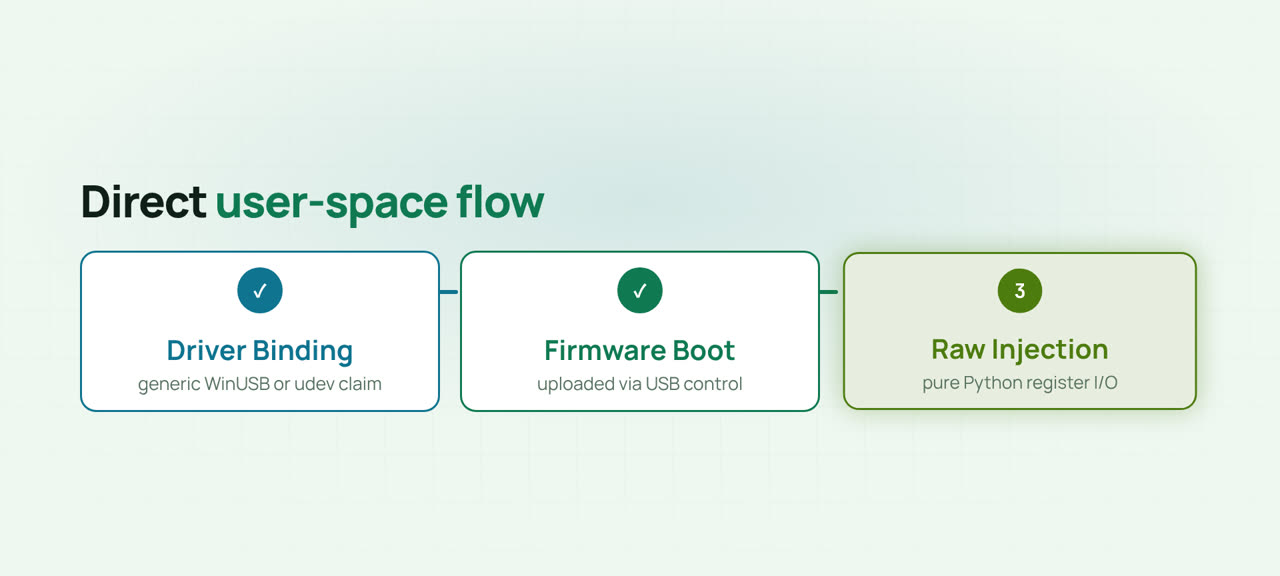
Zero External Runtime Binaries
Traditional suites rely on external programs like aircrack-ng or reaver. Because wifit3 implements its packet handling and injection in Python, it requires 0 external runtime dependencies.
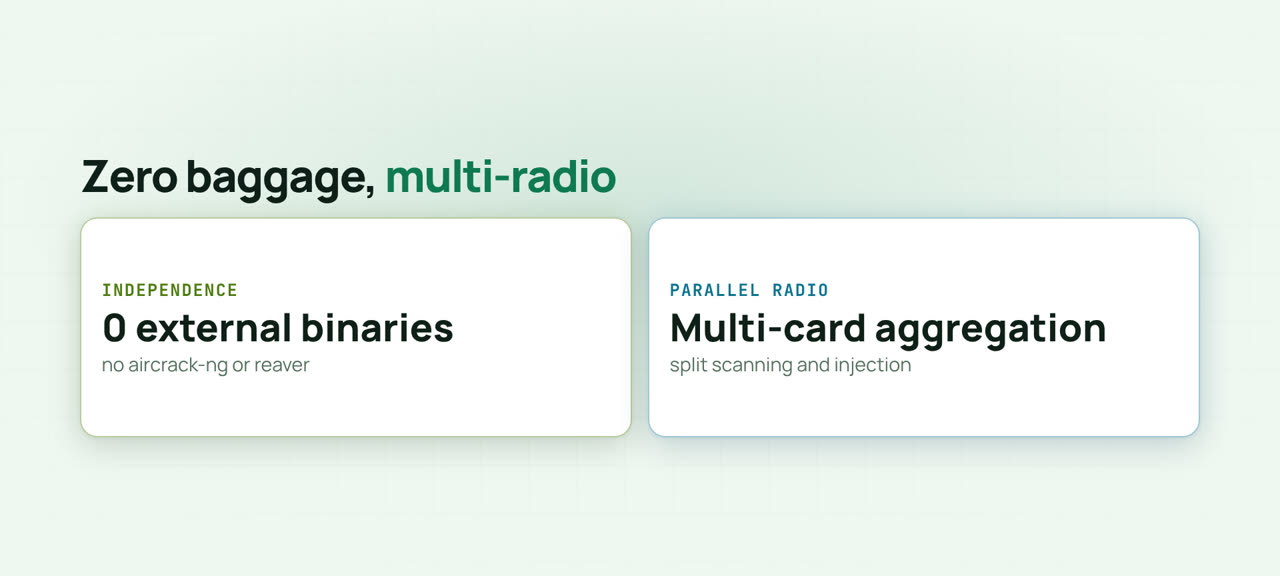
Multi-Card Wi-Fi Aggregation
The application can bind to multiple USB adapters at the same time. This lets auditors monitor several channels at once while dedicating a separate card for packet injection.
Broad Suite of Wireless Attacks
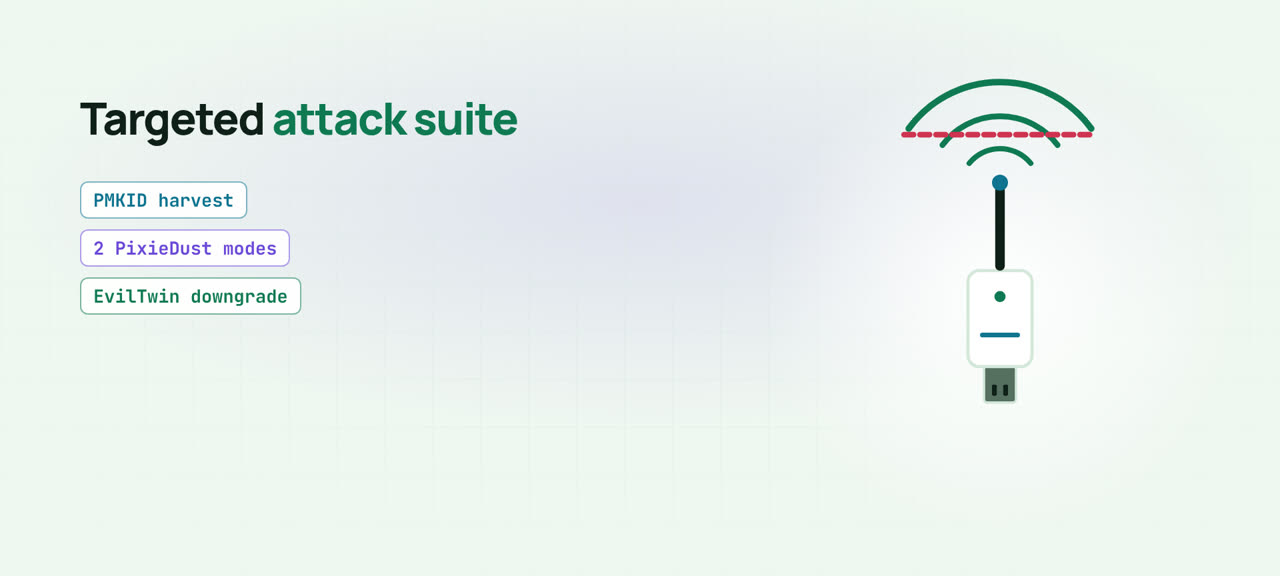
The tool supports PMKID harvesting and handshake captures. It includes 2 modes for PixieDust attacks against WPS weaknesses, alongside an automated EvilTwin attack designed to downgrade WPA3 connections.
External USB Adapters Required
Because wifit3 relies on direct USB communication, it cannot control built-in laptop network cards. Auditors must plug in a supported external USB wireless adapter to audit networks.
Watch the explainer
Watch on YouTube ShortsWatch on InstagramWatch on FacebookWatch on Threads
Music: "Ether Vox" Kevin MacLeod (incompetech.com), licensed under Creative Commons: By Attribution 4.0 — creativecommons.org/licenses/by/4.0/
How it works
- Attach a generic USB driver like WinUSB to claim the adapter.
- wifit3 boots vendor firmware directly onto the chip via raw endpoints.
- The software hops across channels to identify targets and analyze networks.
- Audits run directly from user space to capture handshakes or recover PINs.
Key numbers
Why it matters
Security auditors and penetration testers can now conduct full wireless assessments natively on Windows and macOS. It removes the need for complex Linux virtual machines and fragile kernel drivers. Auditing setups become faster to deploy and significantly easier to maintain.
Words to know
- NDIS
- The Windows network driver architecture that usually blocks custom frame injection.
- PMKID
- A security identifier in WPA2/WPA3 networks that can be captured without a full handshake.
Made with Maya — an AI-assisted explainer with an AI voice. Numbers come from the source; check the paper for the full details.
Comments
Post a Comment