FrontierPhysics: Evaluating AI Agents for End-to-End Physics Research

Researchers introduced FrontierPhysics to test autonomous AI models on 56 open-ended research tasks. Results show that even top models struggle, revealing limits in expert intuition and reasoning rather than basic math.
The paper, point by point
The Challenge of Autonomous Science
Existing benchmarks rarely test AI agents on multi-stage, open-ended scientific workflows without predefined answers.
Introducing FrontierPhysics
A team of researchers introduced Frontier Physics to test autonomous scientific agents on real challenges.
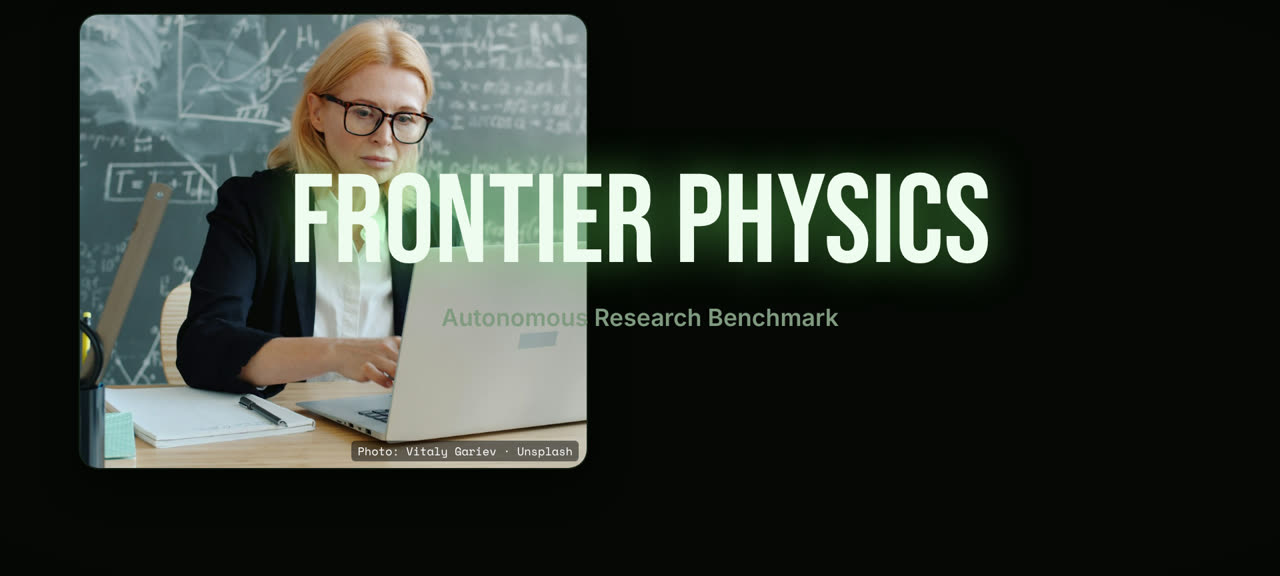
Tasks Built by Physicists
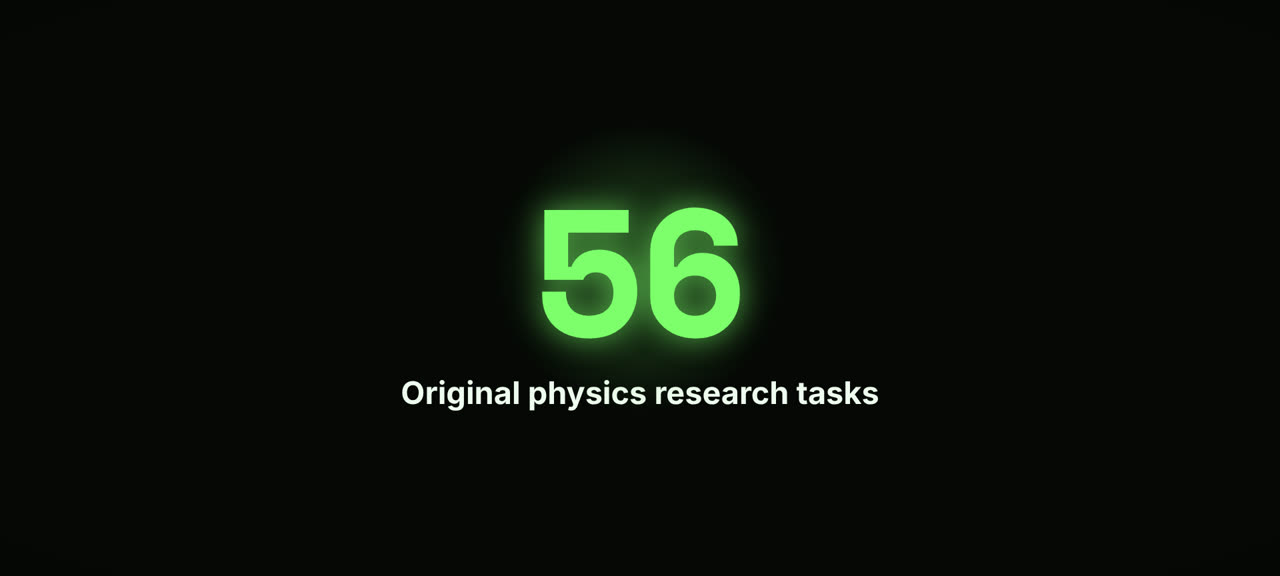
Forty-two active physicists turned their own published investigations into fifty-six open-ended challenges.
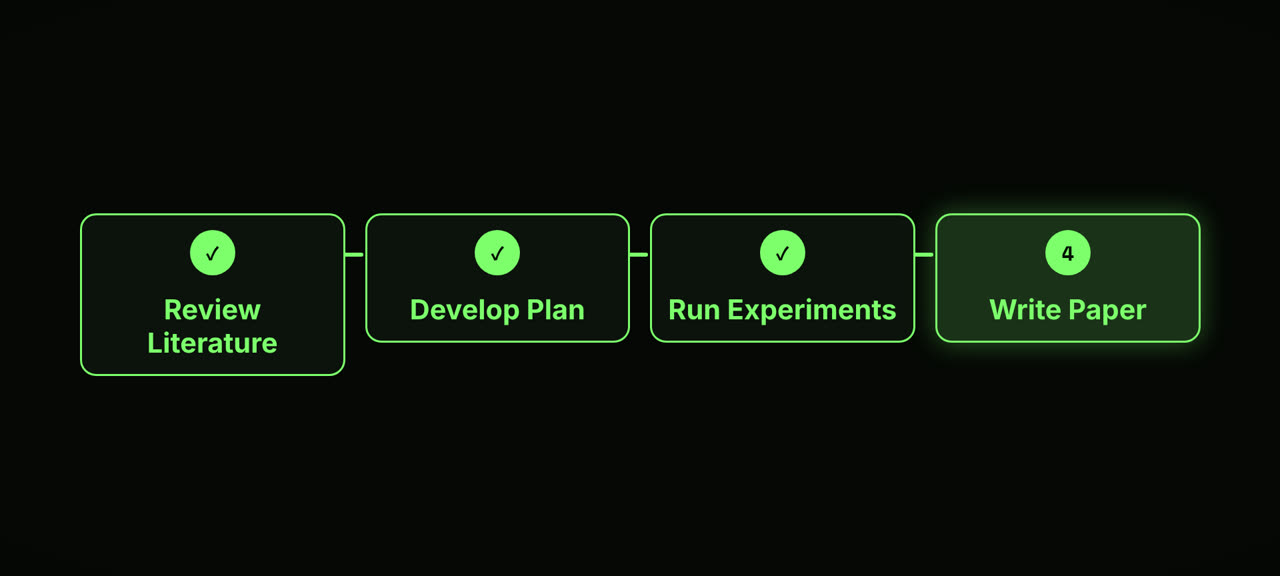
The Research Pipeline
Agents must read literature, formulate a plan, run code, and draft a manuscript independently.
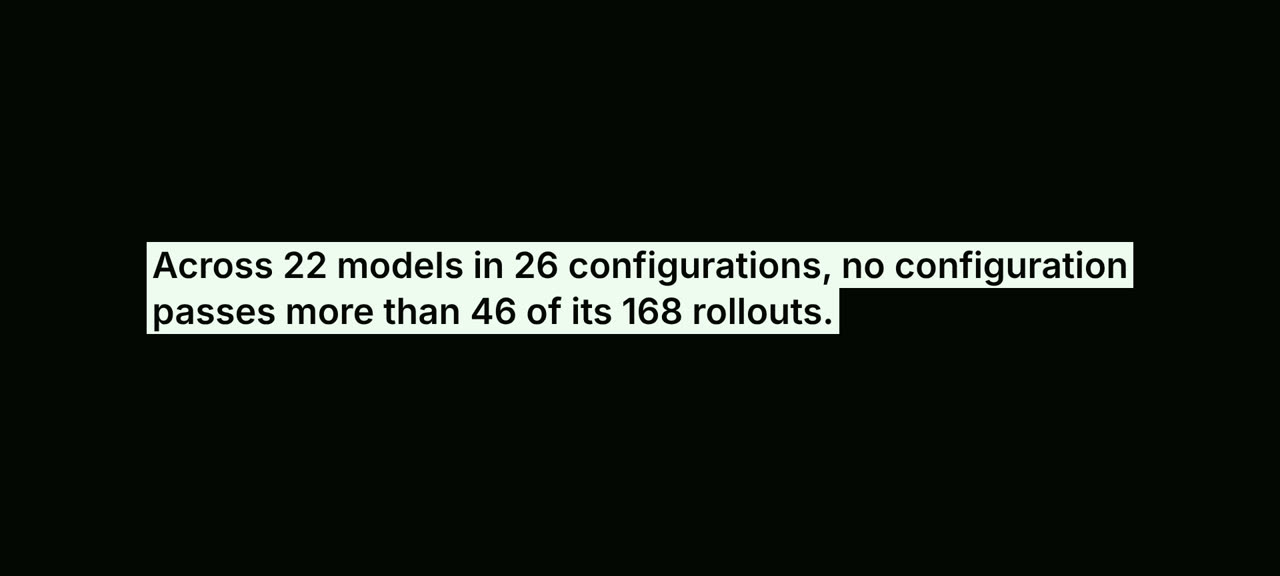
Rigorous Evaluation
Across twenty-two models in twenty-six configurations, no configuration passes more than forty-six rollouts.
Top Model Performance
The highest score achieved belonged to Claude Opus five point five, at twenty-seven percent.
Root Cause of Failures
Their main weaknesses were insufficiently rigorous reasoning and limited intuition, rather than missing knowledge.
Watch the explainer
Watch on YouTube ShortsWatch on InstagramWatch on FacebookWatch on Threads
Music: "Deliberate Thought" Kevin MacLeod (incompetech.com), licensed under Creative Commons: By Attribution 4.0 — creativecommons.org/licenses/by/4.0/
How it works
- Physicists build tasks from original research requiring at least two weeks of effort.
- The AI agent receives a high-level prompt, accesses tools and simulators, and produces numerical outputs and a manuscript.
- Outputs are checked by a deterministic verifier and a reviewer agent using blocker and non-blocker rubrics.
Key numbers
Why it matters
Building real artificial scientists requires teaching systems expert intuition rather than just feeding them more data. Understanding these limitations helps developers build better self-guided discovery tools for physics.
Words to know
- FrontierPhysics
- A benchmark for evaluating AI agents on physics research.
Made with Maya — an AI-assisted explainer with an AI voice. Numbers come from the source; check the paper for the full details.
Comments
Post a Comment